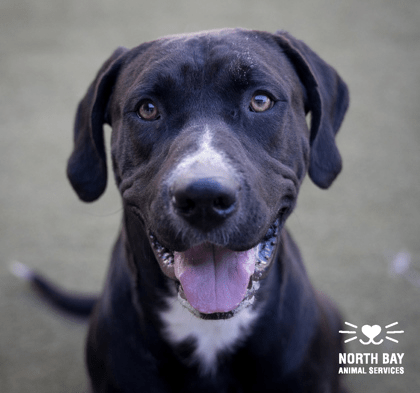
Accountability Doesn’t End When a Contract Ends

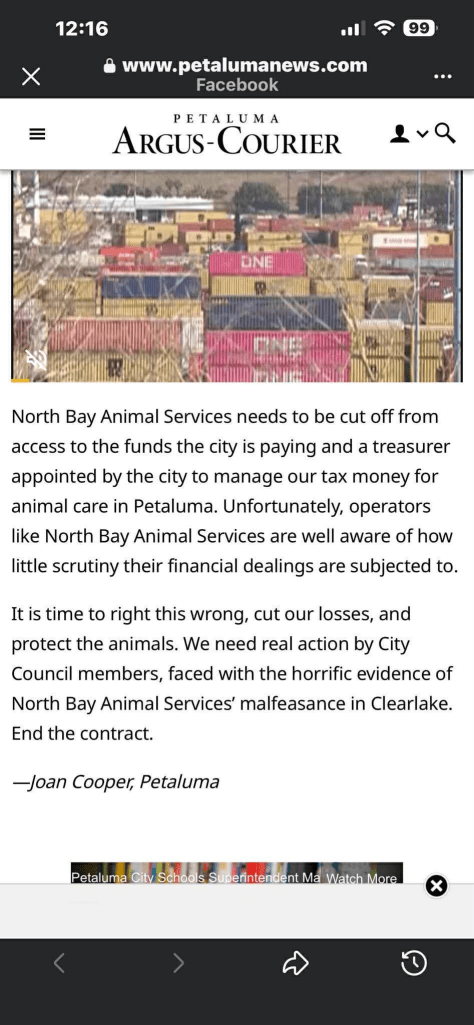
What happened; in Clearlake with North Bay Animal Services is did not happen overnight, nor is it an isolated event. What we are seeing in Sonoma County with animal welfare is a result of a systematic failure that every city and town in the county are responsible for

As more cities begin to distance themselves from North Bay Animal Services, one message needs to be absolutely clear:
walking away from a contract does not erase what happened to the animals who suffered under their care.

Ending a contract is not accountability.
It is not justice.
It is not transparency.

It is simply the first step in acknowledging that something went very, very wrong.


Why Accountability Still Matters

When animals are harmed, neglected, denied care, or placed in dangerous conditions, the responsibility does not disappear because a city chooses a new contractor. Every agency, official, and individual who played a role in those decisions or who ignored the warning signs remains accountable for what happened.

Animal welfare is not a “clean slate” industry.
Lives were lost.
Families were impacted.
Rescues were targeted.
Whistleblowers were retaliated against.

Those actions have consequences.


Cities Cannot Pretend They Didn’t Know

For years, concerns were raised about:

  • lack of transparency
  • denial of veterinary care
  • retaliation against rescues and advocates
  • unsafe transfers and euthanasia decisions
  • failures to provide legally required emergency services

These issues were documented, reported, and brought forward by multiple people not just one rescue, not just one voice.

Cities had a duty to investigate, to intervene, and to protect the animals in their jurisdiction. Contract termination does not absolve them of that duty.


The Animals Deserve More Than Silence

The animals who suffered under this system cannot speak for themselves.
They cannot file complaints.
They cannot demand answers.

That responsibility falls on us the public, the rescuers, the fosters, the adopters, and every person who believes in ethical, humane animal welfare.

Accountability means:

  • acknowledging the harm
  • identifying who allowed it
  • preventing it from ever happening again
  • ensuring transparency moving forward

Anything less is just damage control.


This Is About More Than One Organization

This is about the entire structure that allowed these failures to continue unchecked.

It is about:

  • oversight
  • enforcement
  • public safety
  • humane treatment
  • truth

If we don’t hold every responsible party accountable from the agency to the cities that empowered them then the same patterns will repeat somewhere else, under a different name, with different animals paying the price.

Structural Limits: Why NBAS Can Only Do So Much

It’s also important to understand that North Bay Animal Services operates strictly within the limits of the municipal contracts it holds. Their authority isn’t self‑determined it’s defined by the cities they serve. That means local ordinances, town codes, enforcement priorities, and the scope of their service agreements ultimately dictate what NBAS can and cannot do.

In many situations, the real issue isn’t a lack of willingness from NBAS staff. It’s the structural constraints built into the system itself. I genuinely believe NBAS has good intentions and wants to help animals and the community, but they often find themselves with their hands tied by the very policies, directives, and enforcement structures they’re required to follow.

This is why accountability cannot stop at the shelter door. When a contracted agency is limited by the rules written by the town, then the town its ordinances, its code enforcement practices, and its leadership must also be part of the conversation. If the system is flawed, under‑resourced, or inconsistently enforced, then even the most well‑intentioned contractor will struggle to meet community expectations.

The public deserves transparency not only from NBAS, but from the municipalities that create, approve, and enforce the frameworks NBAS is obligated to operate within. Contracts end, but accountability doesn’t.


We Owe It to the Animals to Demand Better

Contract changes are not justice.
Silence is not accountability.
And pretending the past didn’t happen is not protection.

We must continue to speak up, document, and demand transparency not just for the animals who were harmed, but for every animal who will rely on these systems in the future.

The animals deserved better then.
They deserve better now.
And they deserve a community that refuses to look away.


 Community Responsibility: We Cannot Outsource Compassion

One of the hardest truths we have to face is this:
animal welfare is not something we can pay an organization to “handle” for us.
A contract does not replace a community’s responsibility. A shelter cannot fix what a town refuses to address. And sending animals out of sight is not a solution — it’s a cop‑out.

1. A Healthy Community Doesn’t Hide Its Animals It Protects Them

When a town believes that writing a check to a contractor absolves them of responsibility, animals suffer. Real safety comes from:

  • engaged residents
  • informed neighbors
  • humane policies
  • transparent enforcement
  • community‑driven solutions

Not from pushing animals into a building and pretending the problem is solved.

2. Paying an Organization Doesn’t Erase Our Duty to Speak Up

A contract can fund services, but it cannot replace:

  • compassion
  • vigilance
  • accountability
  • community oversight

When people assume “the shelter will handle it,” they stop reporting cruelty, stop checking on neighbors’ animals, and stop demanding humane policies. That silence is exactly what allows suffering to continue.

3. “Out of Sight, Out of Mind” Is How Animals Get Hurt

When towns rely on a contractor to make animals disappear whether through transfers, quiet euthanasia, or simply removing them from public view the community loses visibility into:

  • how many animals are suffering
  • how many are being surrendered
  • how many are being seized
  • how many are being euthanized
  • how many are being failed by the system

Hiding the problem doesn’t solve it. It protects the system, not the animals.

4. Municipalities Cannot Buy Their Way Out of Responsibility

A town cannot:

  • underfund animal services
  • enforce harmful ordinances
  • misuse code enforcement
  • ignore community needs
  • avoid transparency

…and then claim they’ve “done their part” because they hired a contractor.

Animal welfare is a public responsibility, not a line item.

5. Real Safety Comes from Community, Not Contracts

A humane community is built on:

  • neighbors checking on neighbors
  • residents reporting cruelty
  • volunteers supporting rescues
  • towns updating outdated ordinances
  • shelters working with the public, not in isolation
  • transparency at every level

When the community is involved, animals are safer. When the community is shut out, animals disappear literally and figuratively.

6. Outsourcing Compassion Is How Towns Avoid Accountability

When a town says, “We pay NBAS to handle that,” what they’re really saying is:

  • “We don’t want to deal with it.”
  • “We don’t want to change our policies.”
  • “We don’t want to face the public.”
  • “We don’t want to take responsibility.”

But animals belong to the community, not the contractor.
Their safety is our collective duty.

7. The Community Must Stay Involved Because Animals Can’t Speak for Themselves

If we want real change, we must:

  • stay informed
  • stay vocal
  • stay engaged
  • demand humane ordinances
  • demand transparent enforcement
  • demand accountability from the town, not just the shelter

Because at the end of the day, the animals are ours not the town’s, not the contractor’s, not the systems.
And if we don’t protect them, no contract ever will.
No comments on Accountability Doesn’t End When a Contract Ends

Leave a comment

Former Clearlake animal shelter operator responds to criticism over crisis conditions

North Bay Animal Services, the former operator of the Clearlake animal shelter, says overcrowding was caused by a recent large influx of dogs and inadequate shelter facilities.

Source: Former Clearlake animal shelter operator responds to criticism over crisis conditions

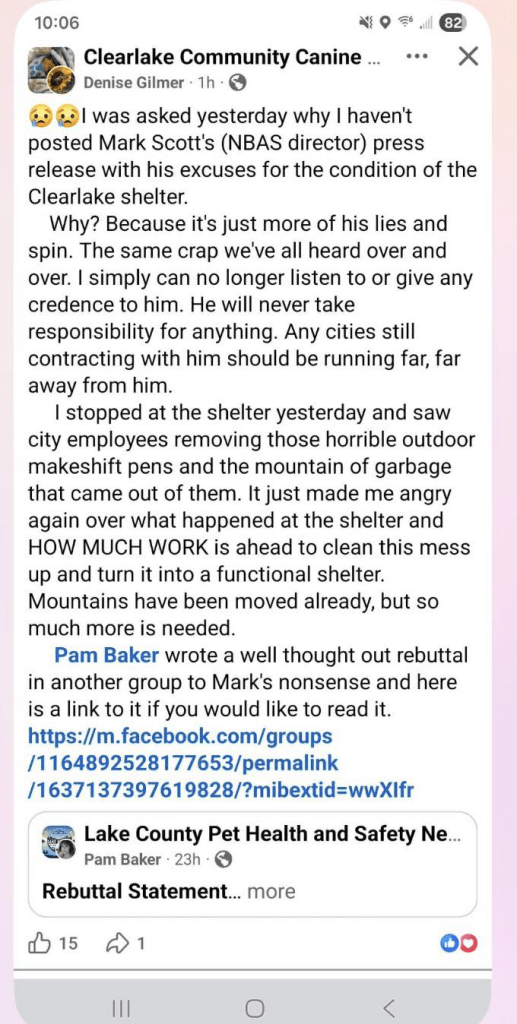
The situation involving the Clearlake animal shelter and North Bay Animal Services (NBAS) reached a critical point in February 2026, following years of documented concerns over animal neglect and overcrowding. On February 23, 2026, The Press Democrat reported that the former operator, Mark Scott of NBAS, defended his organization after the city of Clearlake terminated their contract and a new group, the Clearlake Animal Association, took over.
The Crisis at Clearlake Shelter
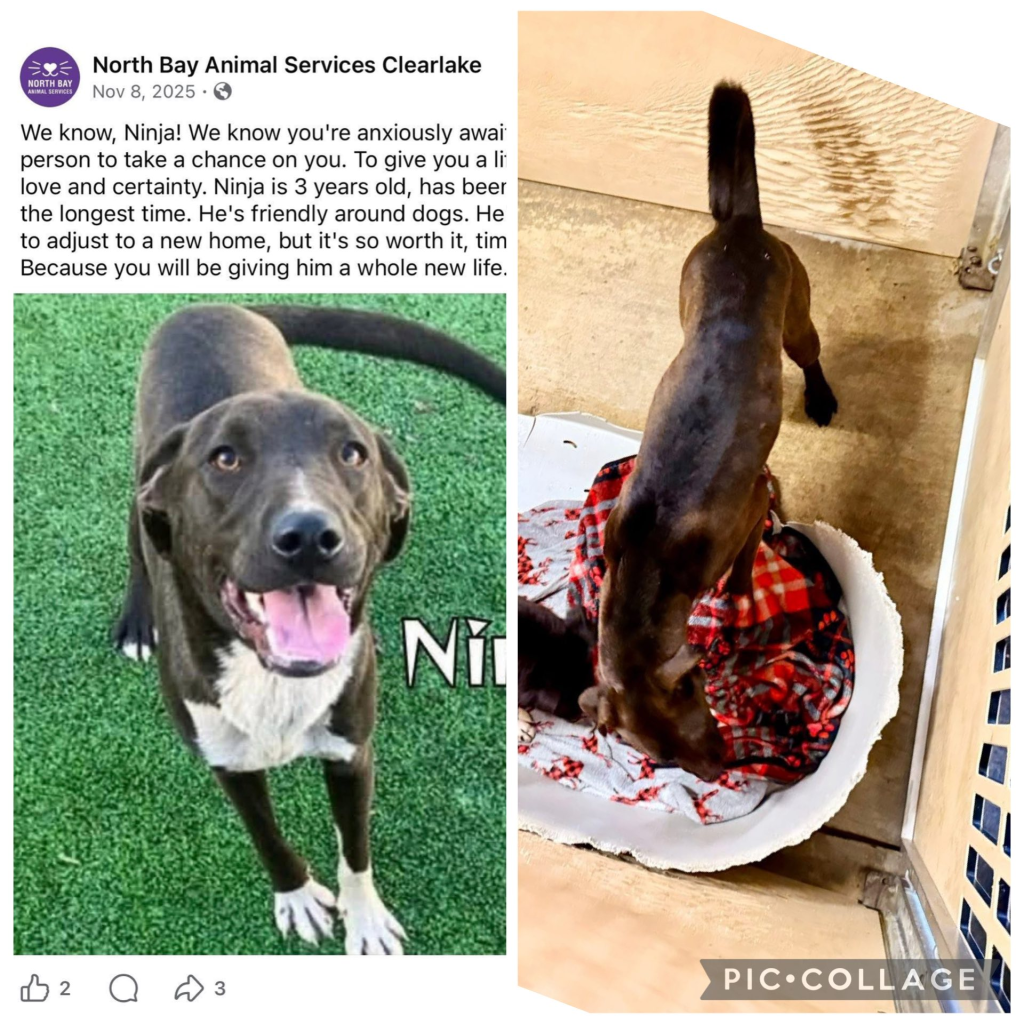
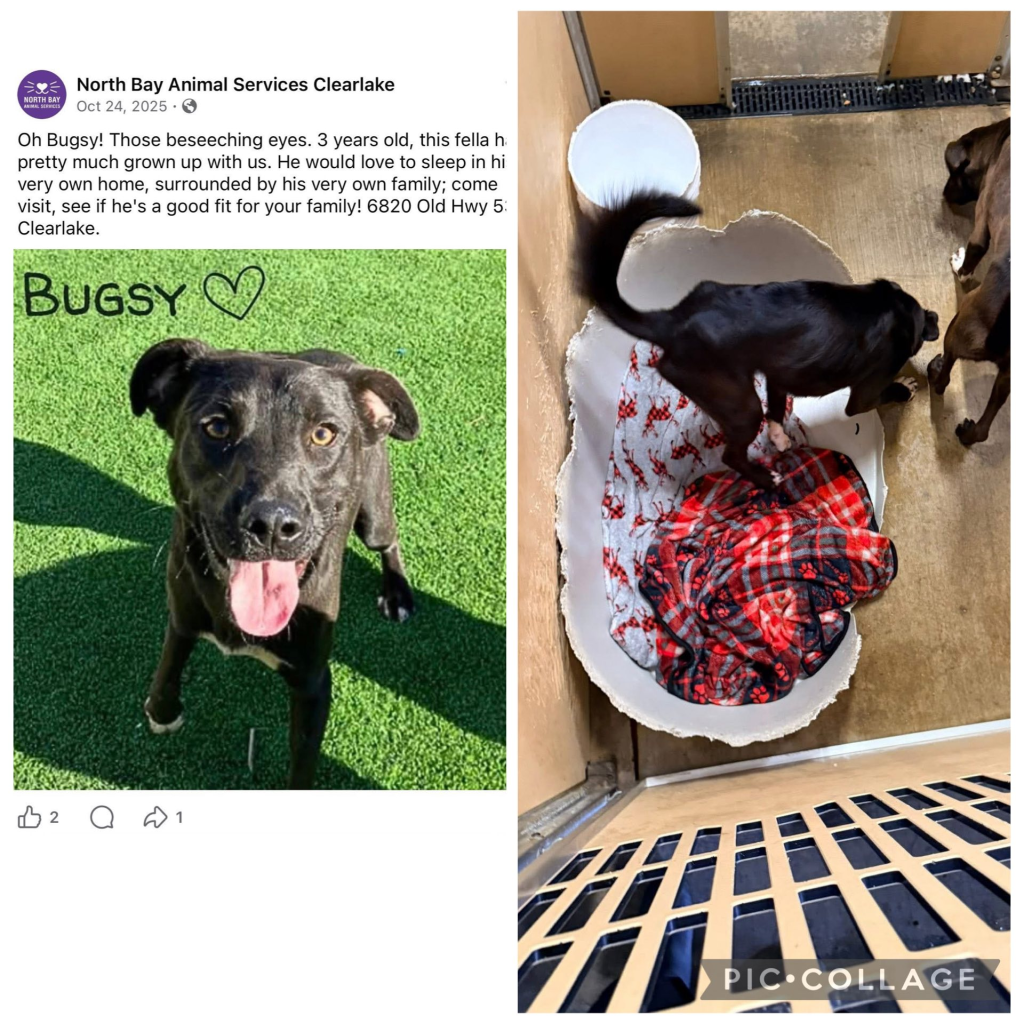
When the new operators took control on February 7, 2026, they reported finding “heartbreaking” conditions. Reports from the transition team and the Humane Society of Sonoma County described:
Extreme Overcrowding: The shelter, designed for 50–65 dogs, held 114 at the time of the handover.
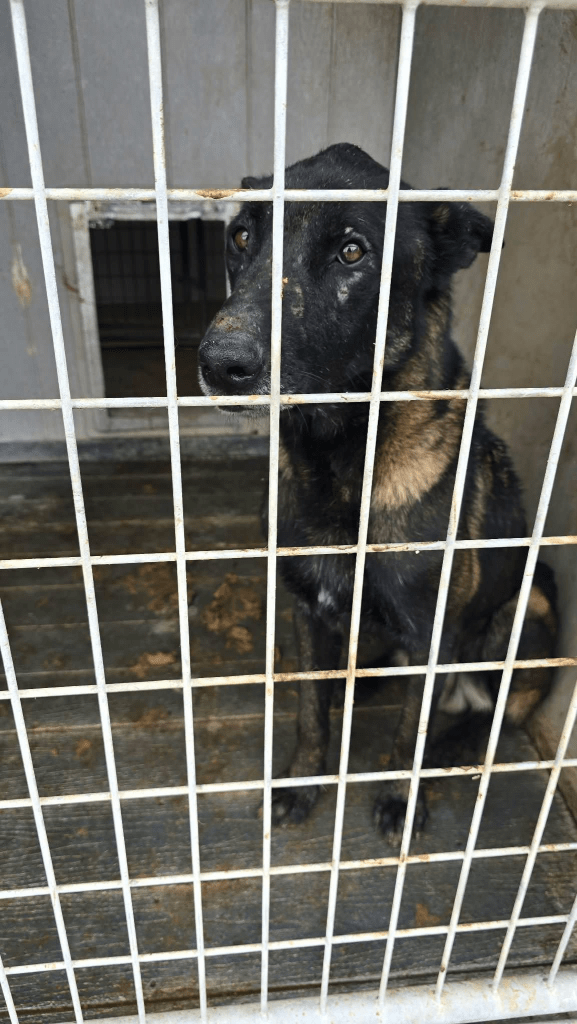
Neglect and Filth: Dogs were found living in crates and kennels filled with their own excrement and urine.
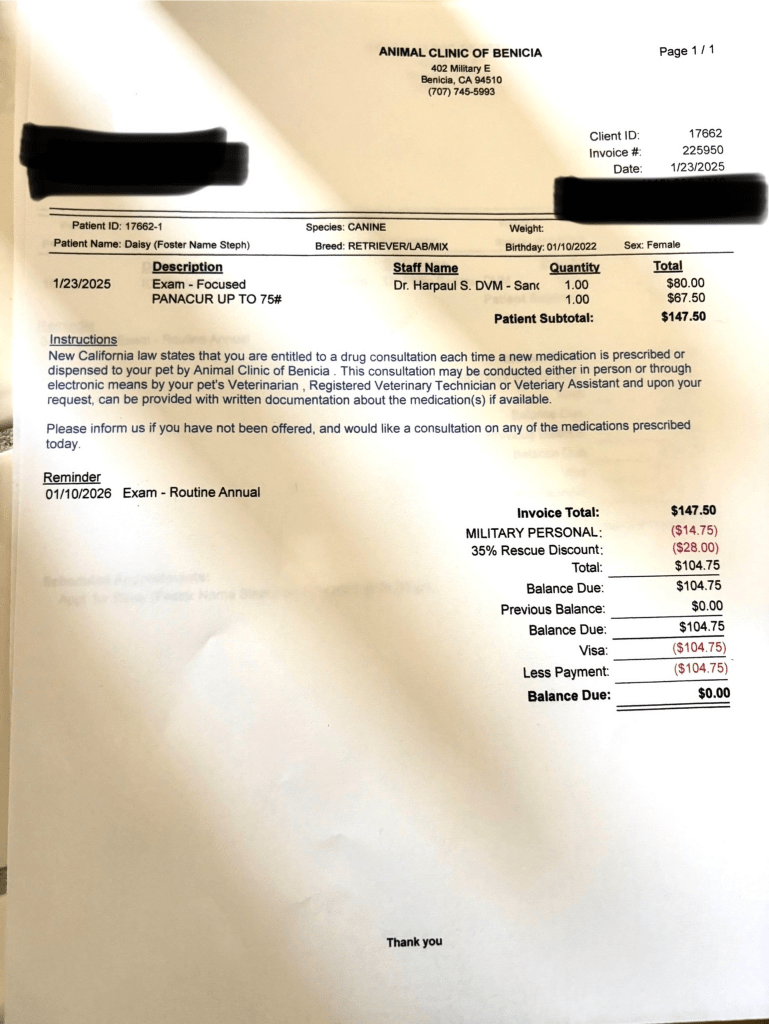
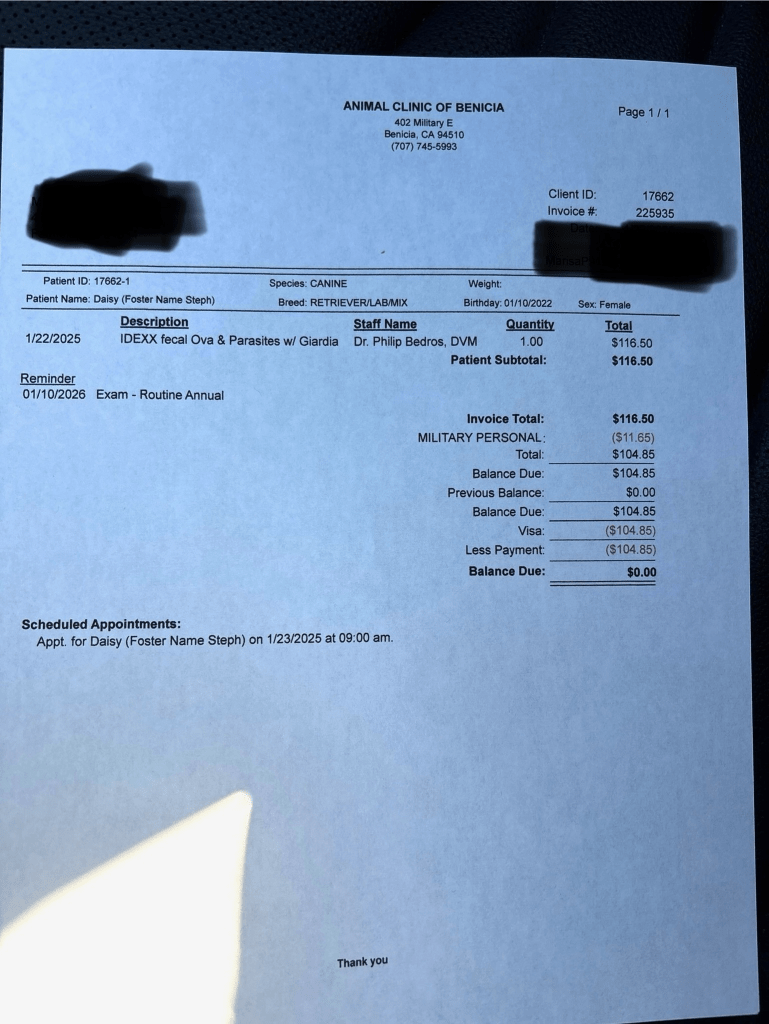
Medical Emergencies: Many animals were emaciated and suffering from untreated conditions, including parvovirus and giardia.
Distraction Tactics and “GCS Advocacy”
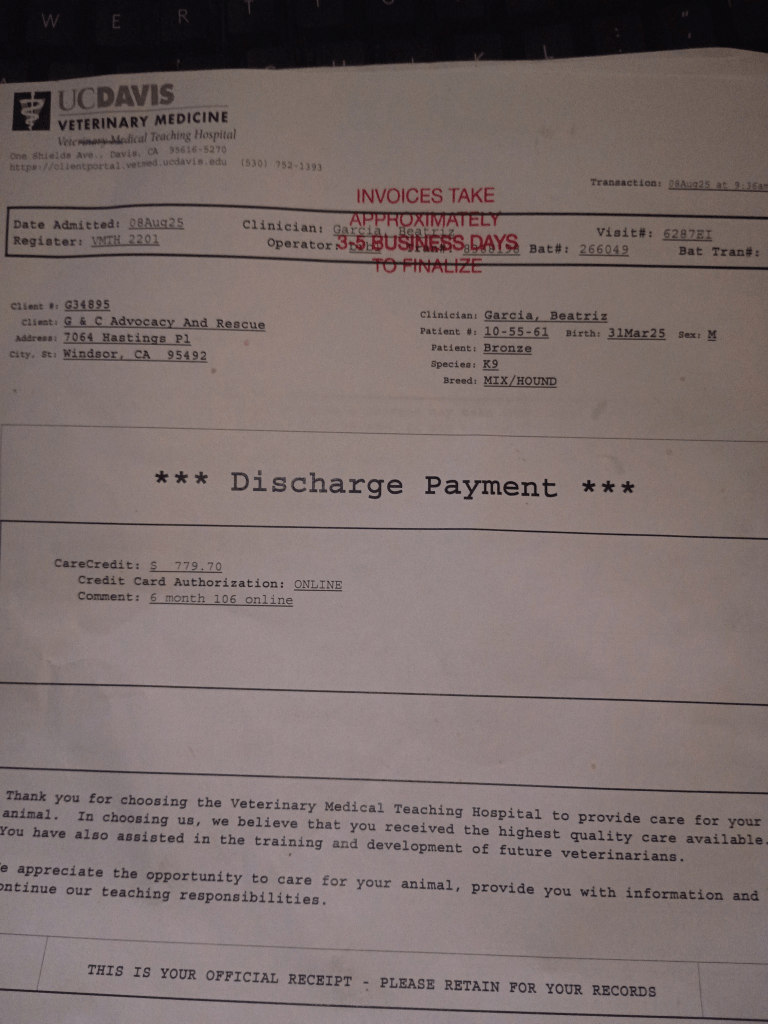
Critics and advocacy groups, including GCS Advocacy and Rescue Corporation, have alleged that NBAS and its leadership attempted to deflect blame for these conditions by targeting whistleblowers. According to these advocates, NBAS sought to distract the public by attacking GCS and other rescue organizations, making false claims about the safety and conditions of the dogs under the advocates’ care.
The motive for this targeted campaign, as described by supporters of GCS, was to silence the organization’s founder, who had been actively working to expose the systemic failures within NBAS. Advocates point to a 2025 Sonoma County Civil Grand Jury report that flagged “significant failures” at NBAS—including delayed medical care and lack of oversight—as proof that the concerns raised by rescuers were well-founded.
The Current Fallout
In his defense, Mark Scott claimed the shelter was “overwhelmed” by a spike in population due to law enforcement activity and that he had repeatedly warned city officials. However, the discovery of starving and sick animals has led several North Bay cities, including Windsor and Sebastopol, to re-evaluate their own contracts with NBAS. Meanwhile, the Clearlake Animal Association continues to work in “crisis mode” to rehabilitate the remaining dogs and move them into foster care.
Report on Clearlake animal shelter neglect
This news segment covers legal threats and allegations of neglect at Northern California animal shelters, reflecting the broader regional crisis in animal welfare oversight.


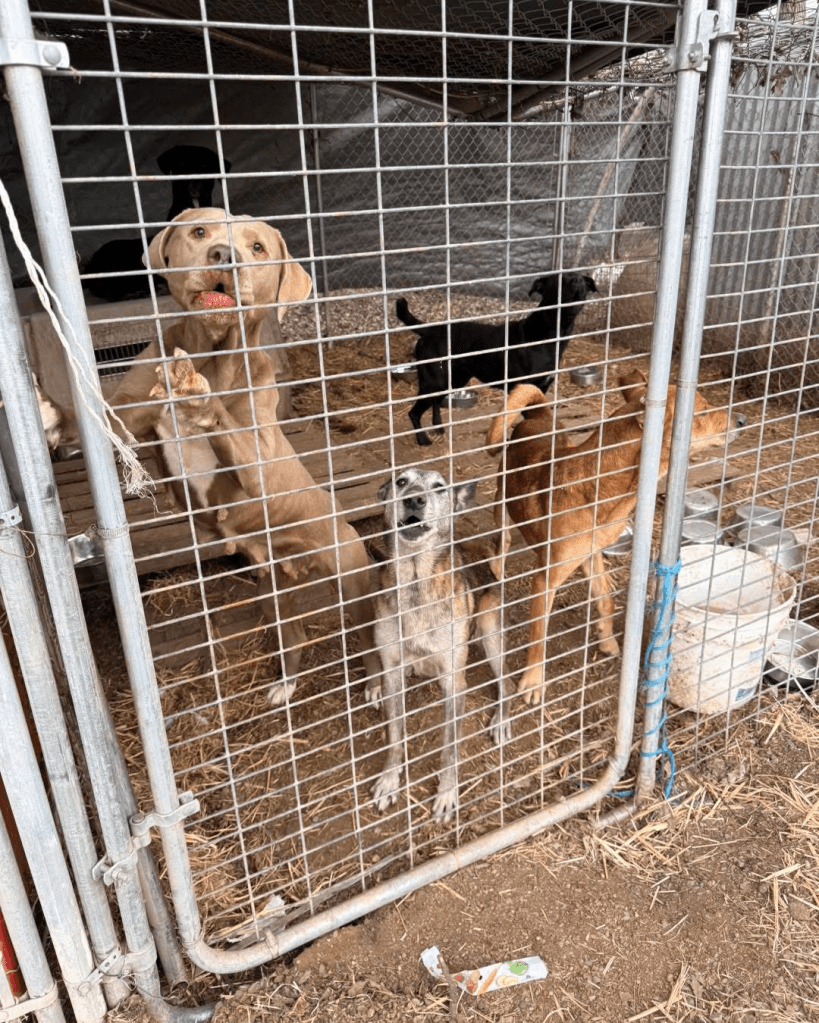
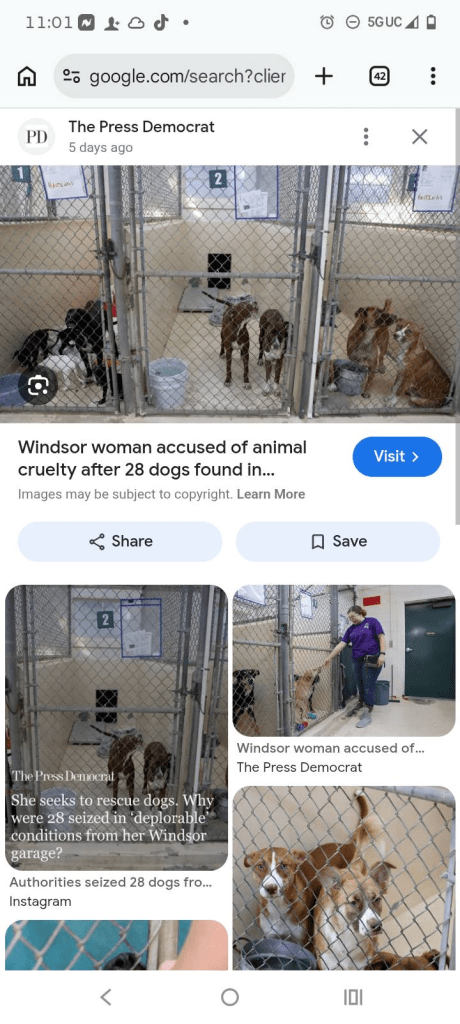
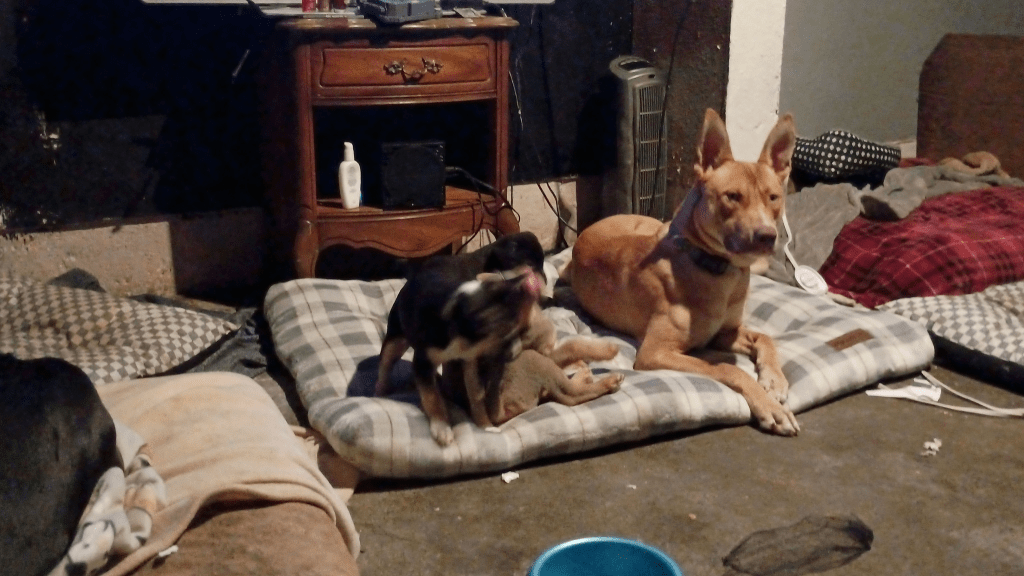
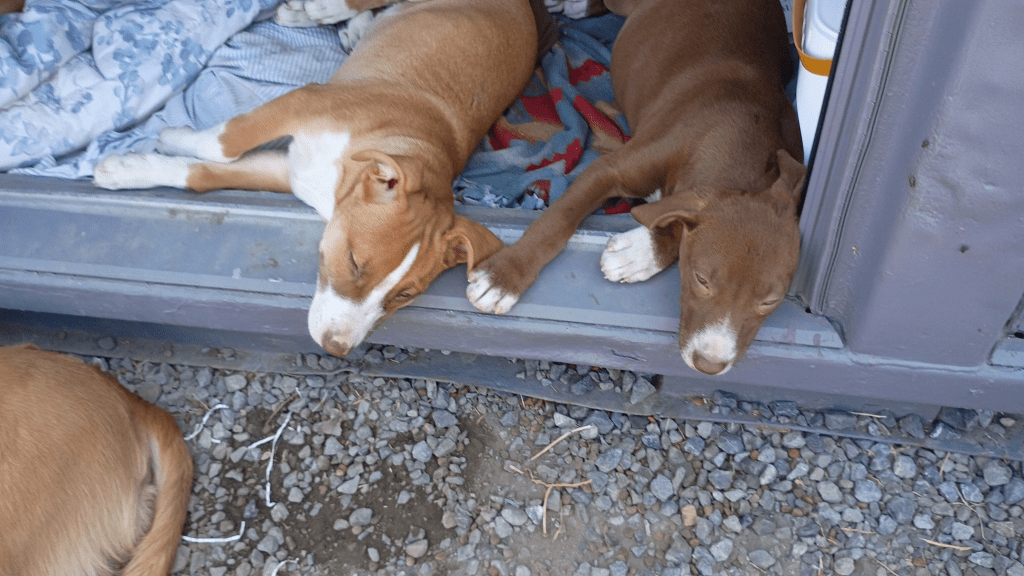
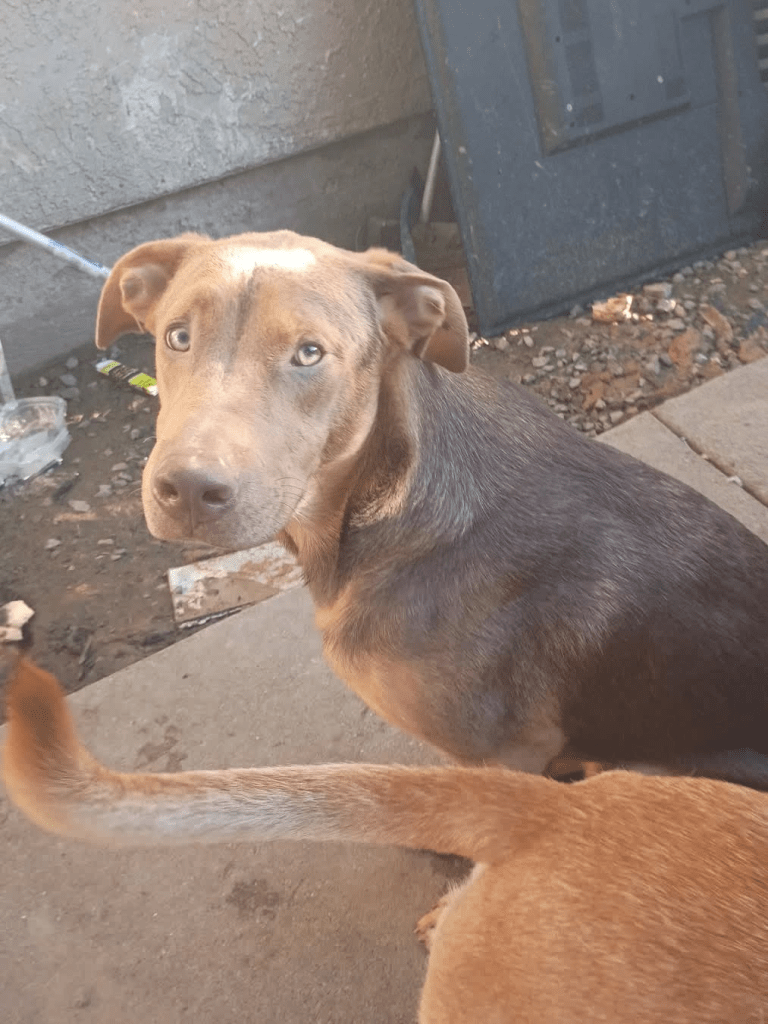
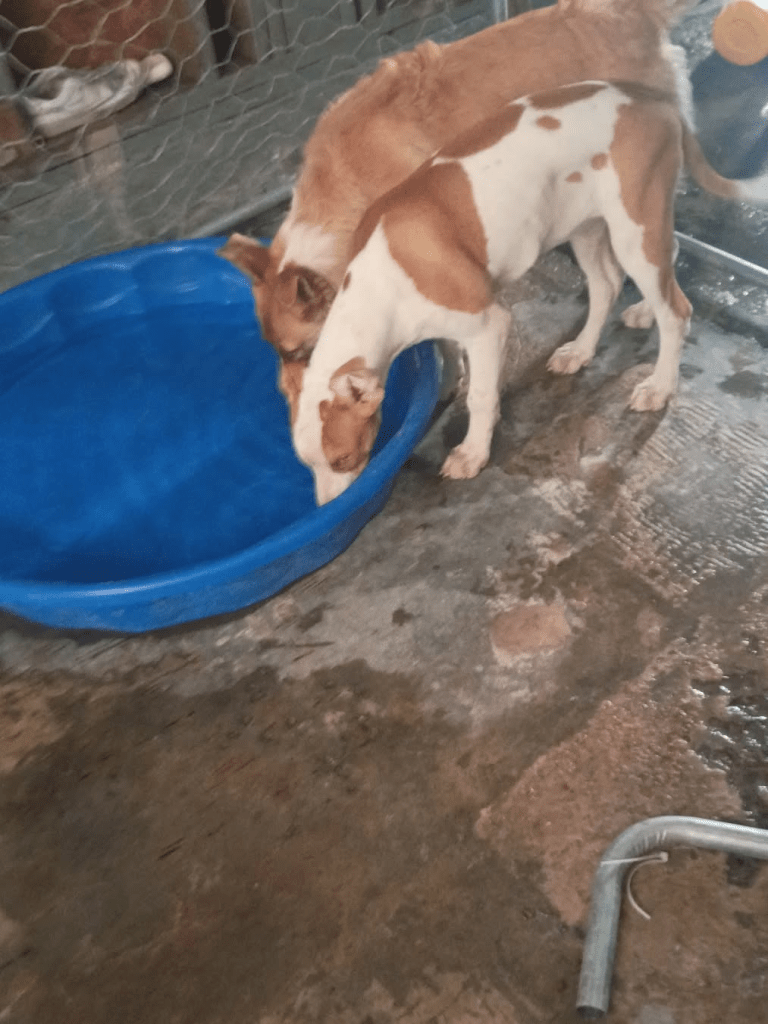
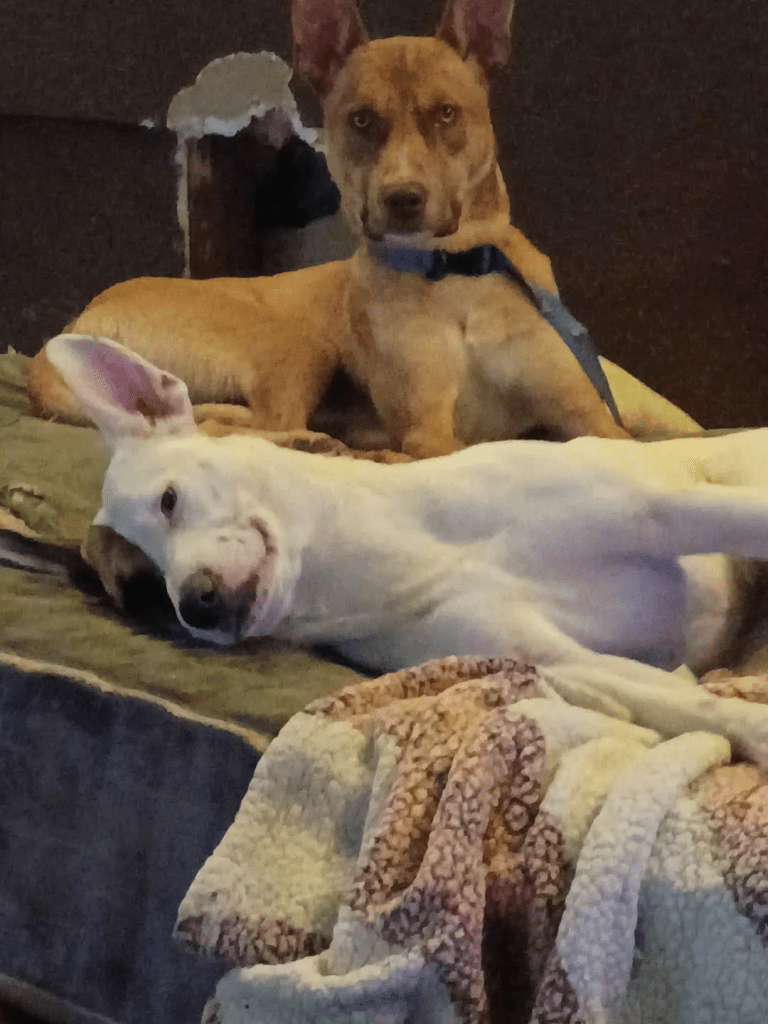
instead of taking responsibility for their wrongs they attacked me for speaking out against them and in doing so they ripped 28 souls who were loved out of their safe rescue where they were loved. they did everything to stop us they blocked vet care we went outside of the area to get it they lied to the public and made me sound like a monster all while they were hiding evil secrets the truth cant be hidden forever see for yourself what life looked like for these babies before and after nbas

Leave a comment

HUMANE VS HUMAN

It’s tough dealing with toxic people especially when the ones who are toxic hold power. and sadly often those who hold the most power have the least grace.

HUMANE VS. HUMAN

In animal rescue work, there’s a hard truth many people don’t want to hear:

What feels right is not always legal.
And what feels wrong is not always illegal.

Rescue lives in that uncomfortable space.

Being humane means acting from compassion stepping in when an animal is scared, injured, or unwanted. It means making fast decisions, sometimes in imperfect conditions, with limited resources, and always with the animal’s best interest at heart.

But the law doesn’t run on compassion.
The law runs on definitions, procedures, timelines, and authority.

Something can be deeply humane helping an injured dog, separating animals to prevent harm, taking responsibility when no one else will and still fall outside what the law technically allows. That doesn’t make the act cruel. It makes the system rigid.

At the same time, something can be legally authorized a seizure, a removal, a decision made under “policy” and still feel profoundly wrong. Legal does not always equal ethical. Lawful does not always equal just.

Animal rescue workers live with this tension every day.

We are judged by outcomes without context. By snapshots without timelines. By rules written far from the realities of overcrowded shelters, limited fosters, emergency vet shortages, and animals who don’t fit neatly into checkboxes.

The public often assumes:

  • If it was done by authorities, it must be right.
  • If it looks chaotic, it must be negligent.

Both assumptions are wrong.

Rescue is messy because life is messy.
Compassion doesn’t always look clean.
And legality doesn’t always look humane.

If we truly care about animals, we have to be able to hold two truths at once:

  • That intent matters.
  • And that systems can fail even when people try to do good.

Being humane is about minimizing suffering.
Being human is about making mistakes while trying to help.

And the real work the hard work is making space for accountability without erasing compassion, and for law without crushing humanity.

Because animals don’t need perfection.
They need people who care enough to act even when the line between humane and human is painfully thin.

HUMANE VS HUMAN

There is a quiet truth that every animal rescuer learns the hard way:
the law and morality do not always walk hand‑in‑hand.

In rescue work, you see it every day.
A dog chained in a yard with no shelter legal.
A litter of kittens left outside in the cold because “they’re just barn cats” legal.
A rescuer stepping in to save an animal from slow, preventable suffering sometimes not legal at all.

That contradiction is the fault line we stand on:
what is right is not always legal, and what is wrong is not always illegal.

Human systems are built on paperwork, procedure, and technicalities.
Humane action is built on compassion, urgency, and conscience.
And those two worlds collide most violently in animal rescue.

Rescuers are often punished for doing what any decent human would do without hesitation:
protect a life, relieve suffering, intervene when no one else will.
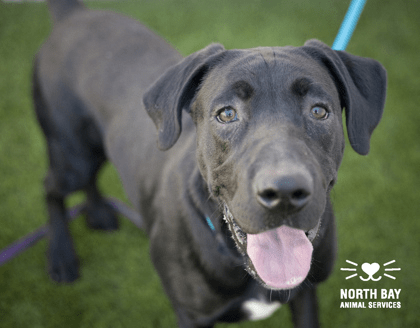
Meanwhile, the very neglect that forces rescuers to act is often shielded by loopholes, outdated statutes, or agencies that enforce selectively and inconsistently.

The result is a system where:

  • Suffering can be legal.
  • Compassion can be criminalized.
  • And the people doing the right thing are treated as the problem instead of the solution.

But here’s the truth that matters more than any citation or code section:
Humanity is not defined by legality.
It is defined by the choices we make when a living being is in front of us and we are the only ones who can help.

Animal rescue has always been the work of people who refuse to look away.
People who understand that laws evolve, but suffering is immediate.
People who know that history has never been kind to those who hid behind “I was just following the rules.”

Being humane means stepping into the gap between what is allowed and what is right and choosing the animal every time.

Because at the end of the day, legality is written on paper.
Morality is written in how we treat the vulnerable.